Current stroke patient outcomes

Our commitment to transparency involves sharing the results of our programs with the individuals we serve. Our programs are accredited by the Commission on Accreditation of Rehabilitation Facilities (CARF), recognizing that we meet the highest standards in quality, safety and outcome measures.

Patient outcome data is gathered from various sources, including Epic, Press Ganey, and Uniform Data System-Med Rehab (UDSMR), covering the period from April 1, 2024, to March 31, 2025.

88.1%


More than 88% of stroke patients successfully returned to their communities after rehabilitation, compared to the nationwide rate of 69.8%.

Who we treat

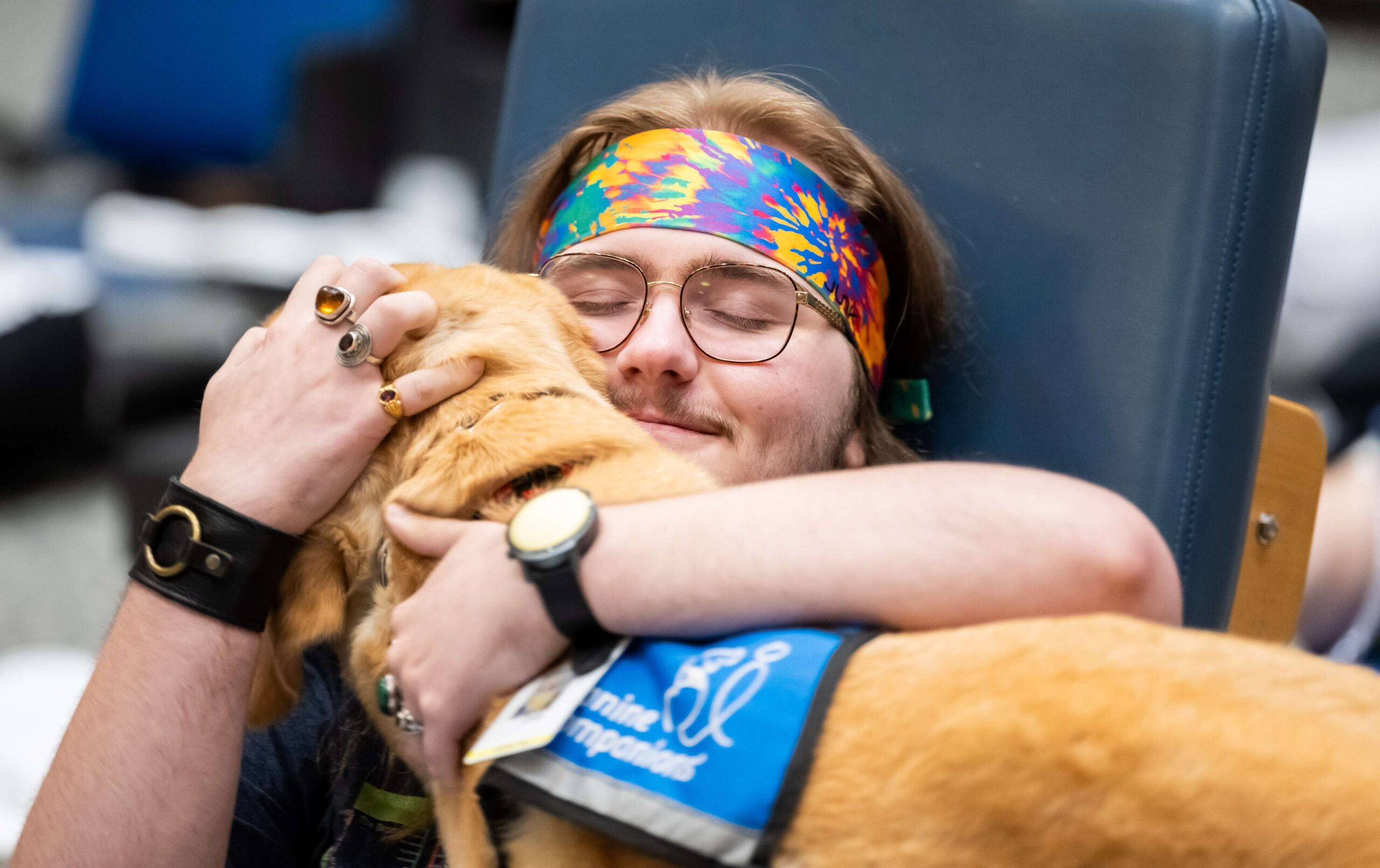
Each year, we provide inpatient treatment for 167 adults with strokes.

Injury types

  • Left stroke: 43.5%
  • Right stroke: 26.1%
  • Bilateral stroke: 28.6%
  • Other types of strokes: 1.8%

Patient ages

The average adult inpatient with a stroke at Shepherd Center is 53 years old. The age breakdown includes:

  • 18-25: 4%
  • 26-35: 9%
  • 36-45: 18%
  • 46-55: 20%
  • 56-65: 32%
  • 65+: 17%

Patient genders

  • Male: 60%
  • Female: 40%

Admission and length of stay

  • Average length of stay: 39 days
  • Time to admission: On average, adult patients begin inpatient rehabilitation 29 days after injury

Therapy and rehabilitation

Our patients receive extensive therapy, typically ranging from 3-5 hours daily. This includes physical, occupational, and speech therapy, tailored to each patient’s needs.

Patient satisfaction

When asked about the likelihood of their recommending Shepherd Center, patients or their caregivers rated Shepherd Center a 93.59 out of 100.

Where our patients go after discharge

  • Community: 86.7%
  • Long-term care: 8.1%
  • Acute care: 4.6%
  • Hospice: 0.6%

Self-care goals

63% of adult patients achieve or exceed their anticipated value of self-care upon discharge from Shepherd Center, compared to 62% nationally.

Mobility goals

70% of adult patients achieve or exceed their anticipated value of mobility upon discharge from Shepherd Center, compared to 62% nationally.

Mobility scores tell us how much help a patient needs with activities like sitting, standing, walking, using a wheelchair, or going up and down stairs. A physical therapist helps patients get better at doing these activities on their own. If the scores go up from when the patient first came in to when they left, it means the patient got better at doing these activities independently.

Who we treat

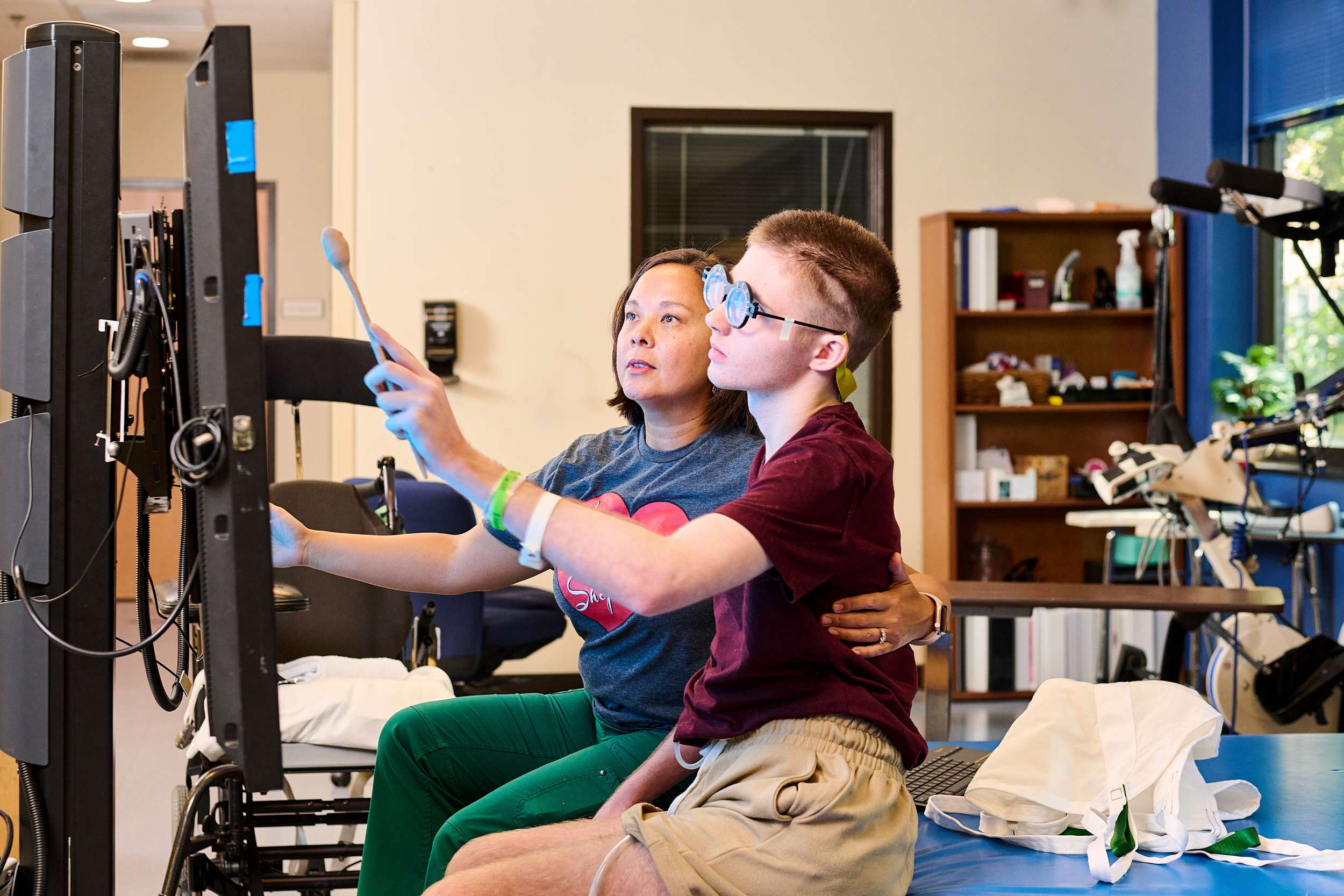
Each year, we provide outpatient treatment for 197 adults with strokes.

Patient ages

The average adult outpatient with a stroke at Shepherd Center is 49 years old. The age breakdown includes:

  • 18-25: 6%
  • 26-35: 10%
  • 36-45: 21%
  • 46-55: 23%
  • 56-65: 24%
  • 65+: 16%

Patient genders

  • Male: 62.5%
  • Female: 37.5%

Patient satisfaction

When asked about the likelihood of their recommending Shepherd Center, patients or their caregivers rated Shepherd Center a 100 out of 100.

Recommended supervision after discharge

Shepherd Center uses the Supervision Rating Scale (SRS) to measure the recommended level of supervision a patient receives from caregivers upon discharge. SRS percentages for adult outpatients with brain injuries include:

  • Can be alone for 8+ hours: 34%
  • Other: 66%

The category of “other” represents varying supervision levels, such as:

  • Patient can be left alone for up to 1 hour: Supervision is provided to the patient overnight & part-time during waking hours. Supervising caregiver cannot work a full-time job.
  • Full-time indirect supervision: Patient is never left alone. Supervising person checks in 30 minutes or less.
  • Full-time direct supervision: Patient is never left alone. Supervising person checks in more than every 30 minutes.
  • Physical control of exits: Patient lives in a setting in which exits are physically controlled by others, plus a supervising person is designated to provide full-time line-of-sight supervision.
  • Physical restraints: The patient is in physical restraints.